 Daily Ancestor
The 1790 U.S. Census
The first U.S. census, begun August 2, 1790, names only the head of each household and counts everyone else in a few broad groups.
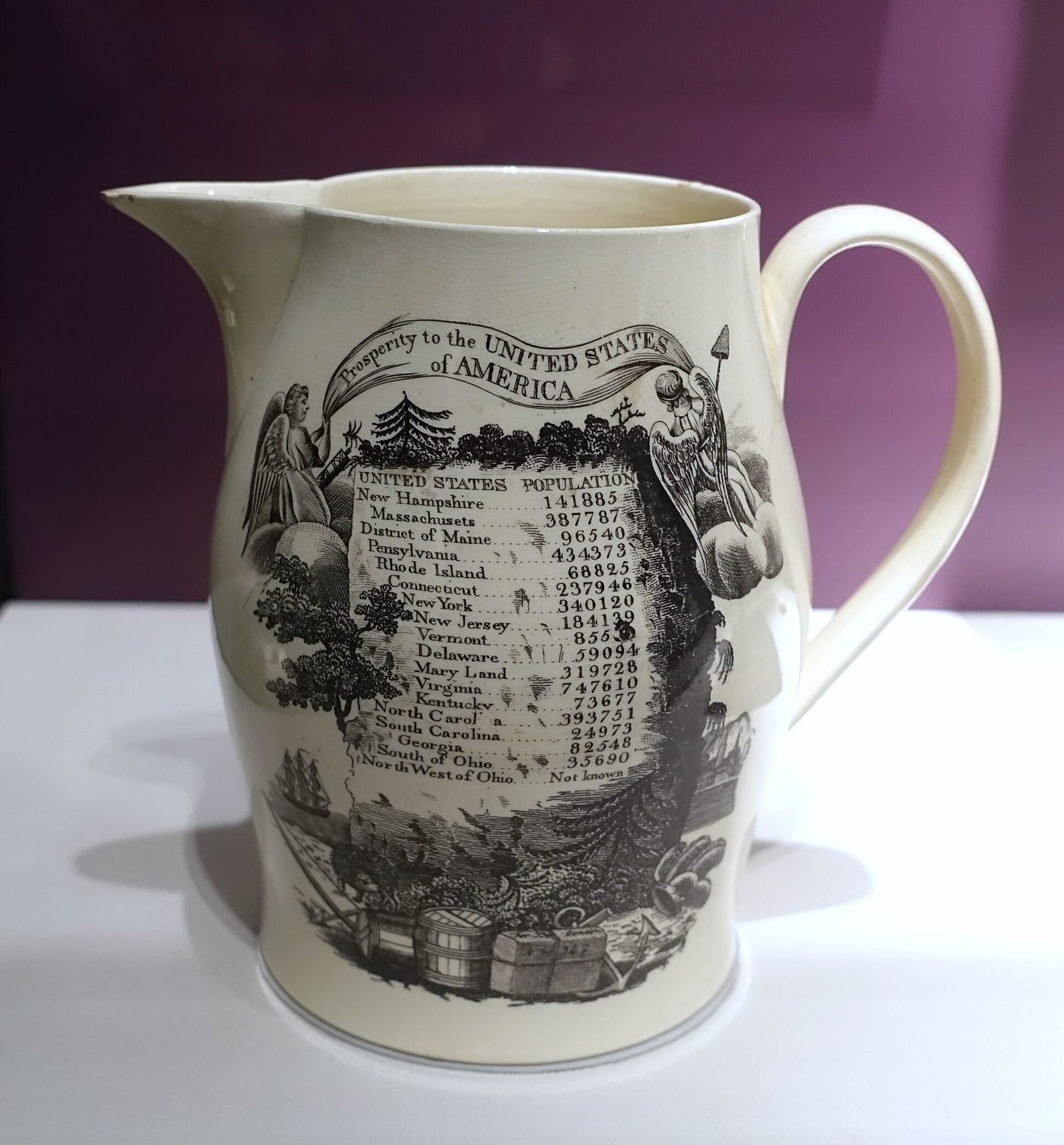
The 1790 census was the nation's first count of its people. U.S. marshals and their assistants started on Monday, August 2, 1790, in the original 13 states, the districts of Kentucky, Maine, and Vermont, and the Southwest Territory, which later became Tennessee.
There were no printed federal forms. Only in Massachusetts did the marshal supply printed forms; elsewhere assistants wrote on whatever paper they had, so pages run from about 4 inches to 3 feet long, and some returns were kept in account books. Expect a list of household heads with tally numbers beside each name, not a list of family members.
The questions, column by column
| Name of head of family | The only person named. Wives, children, and everyone else in the house are counted, not named. |
|---|---|
| Free white males 16 and older, including the head | Helps you spot grown sons or other adult men living in the house. |
| Free white males under 16 | A rough count of boys. No exact ages appear anywhere in 1790. |
| Free white females, including the head | One number for all ages, so a wife and a daughter look the same. |
| All other free persons | Free people of color living in the household. |
| Slaves | A number only. Enslaved people are not named in the population count. |
New this census
- Everything: this was the first federal census.
- Every person over 16 had to give a true account of the household or forfeit twenty dollars.
Watch out for
- No schedules survive for Delaware, Georgia, Kentucky, New Jersey, Tennessee, or Virginia. For Virginia the Census Bureau later printed a stand-in built from state counts of 1782 to 1785 and some tax lists.
- Vermont became a state in 1791, so its count was taken that year.
- Maine was part of Massachusetts. People in the area that became the District of Columbia appear under Montgomery or Prince George's County, Maryland.
- Households were counted as they stood on August 2, 1790, even when the assistant came weeks or months later.
Other schedules
- Population only. There were no farm, business, or death schedules in 1790.
Where to see it
- The surviving pages are National Archives microfilm M637 (12 rolls). FamilySearch (free with an account) and Ancestry (free on computers at National Archives facilities) both index it and show the images.
- In 1907 and 1908 the Census Bureau printed the returns as Heads of Families at the First Census of the United States. Digital copies are in the National Archives Catalog.