 Daily Ancestor
Stories from the records
Real, ordinary lives told only from the papers they left behind: census pages, wills, pensions and gravestones. Each one teaches you how to read a record.
 1870s to 1890s · Missouri and Indiana
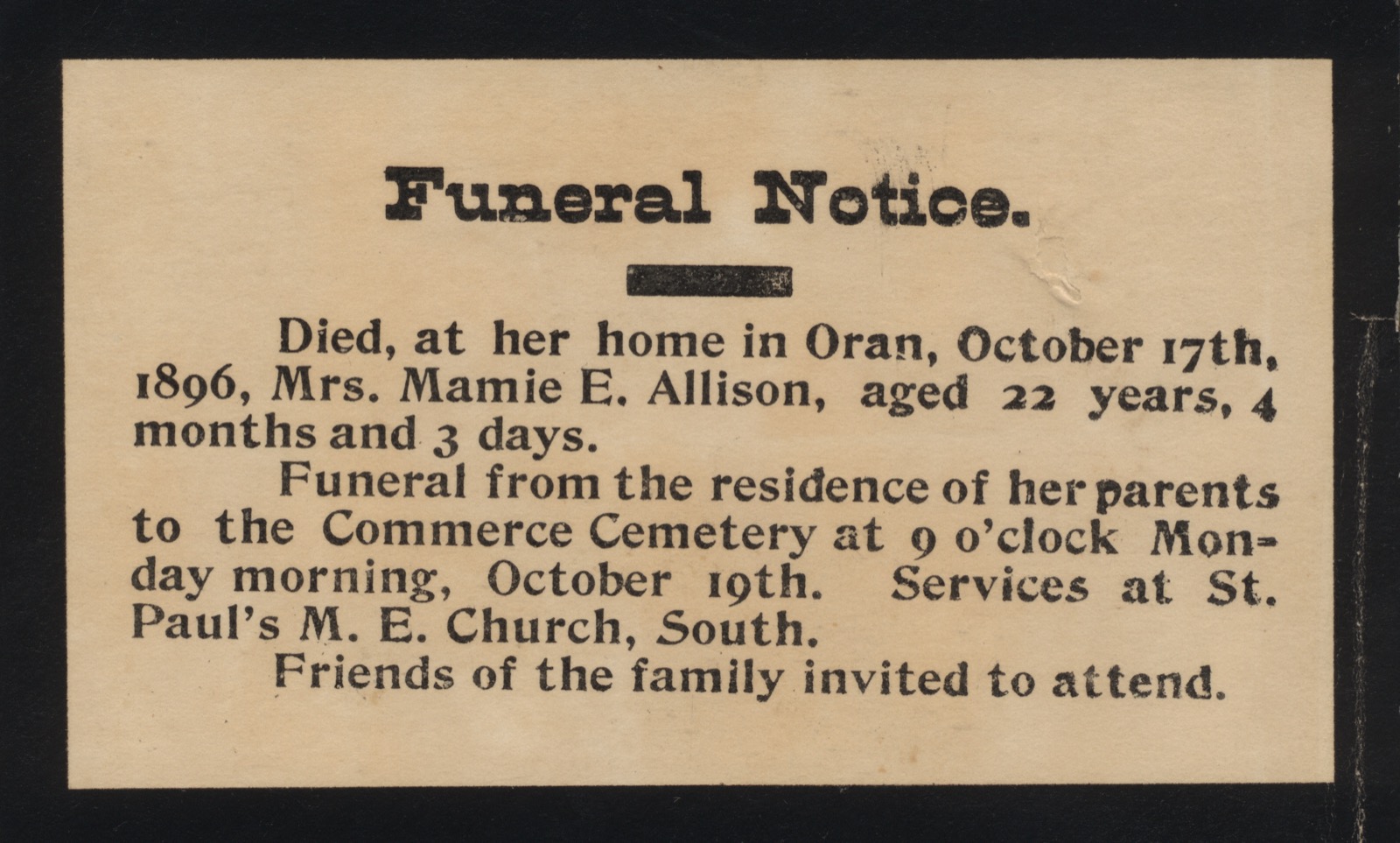
Twenty-Two Years, Four Months and Three Days
A small printed funeral notice from a Missouri town in 1896, read next to an 1887 etiquette manual: what a Victorian family put on paper when someone died, and what it left off.
 1870s to 1890s · Grafton County, New Hampshire
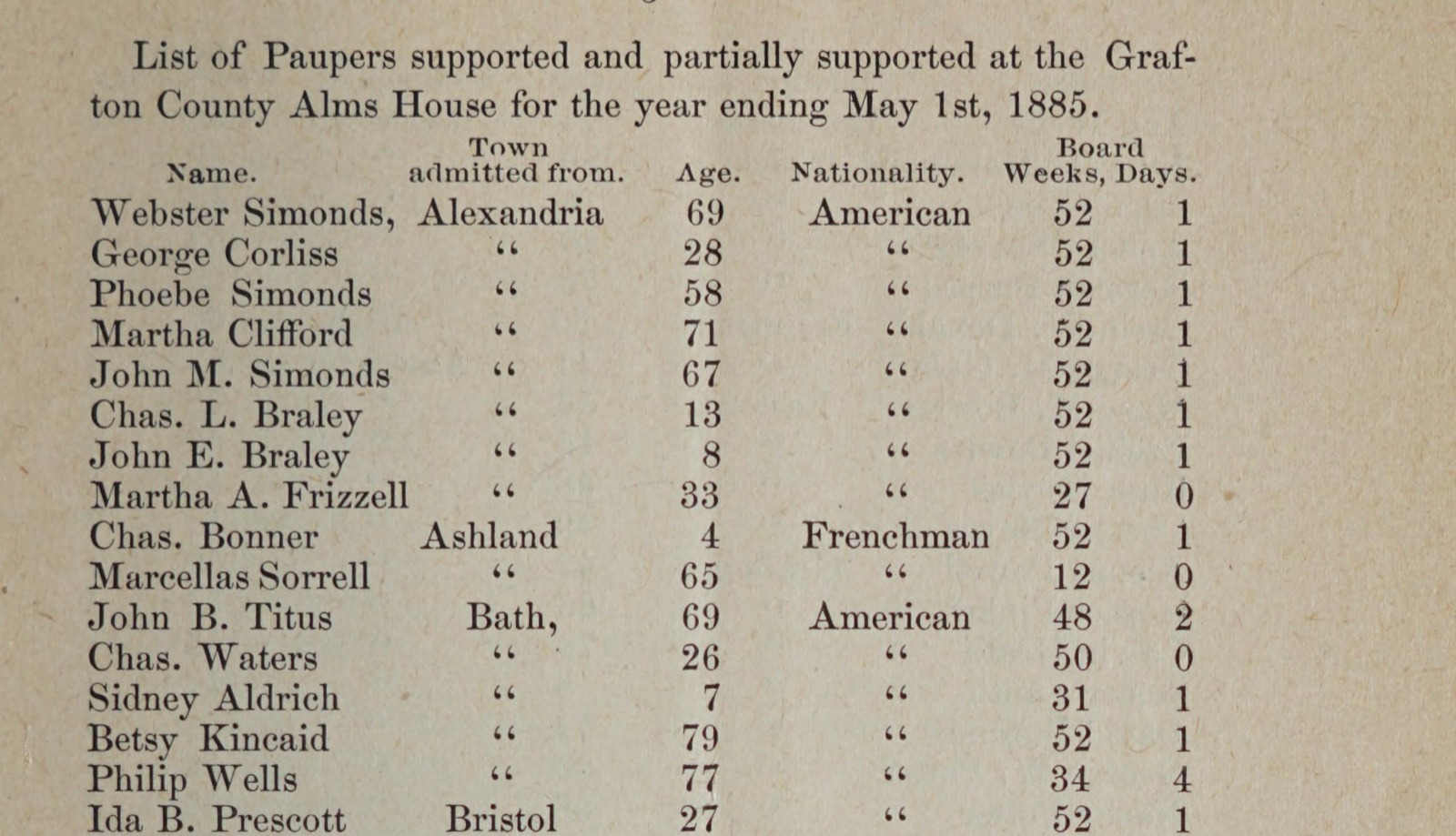
Eleven Years Older in Two Months
A woman from Alexandria, New Hampshire, appears in the printed reports of the Grafton County poor farm year after year. Her age does not behave, and that is the lesson.
 1850s to 1890s · New York, Indiana and North Dakota
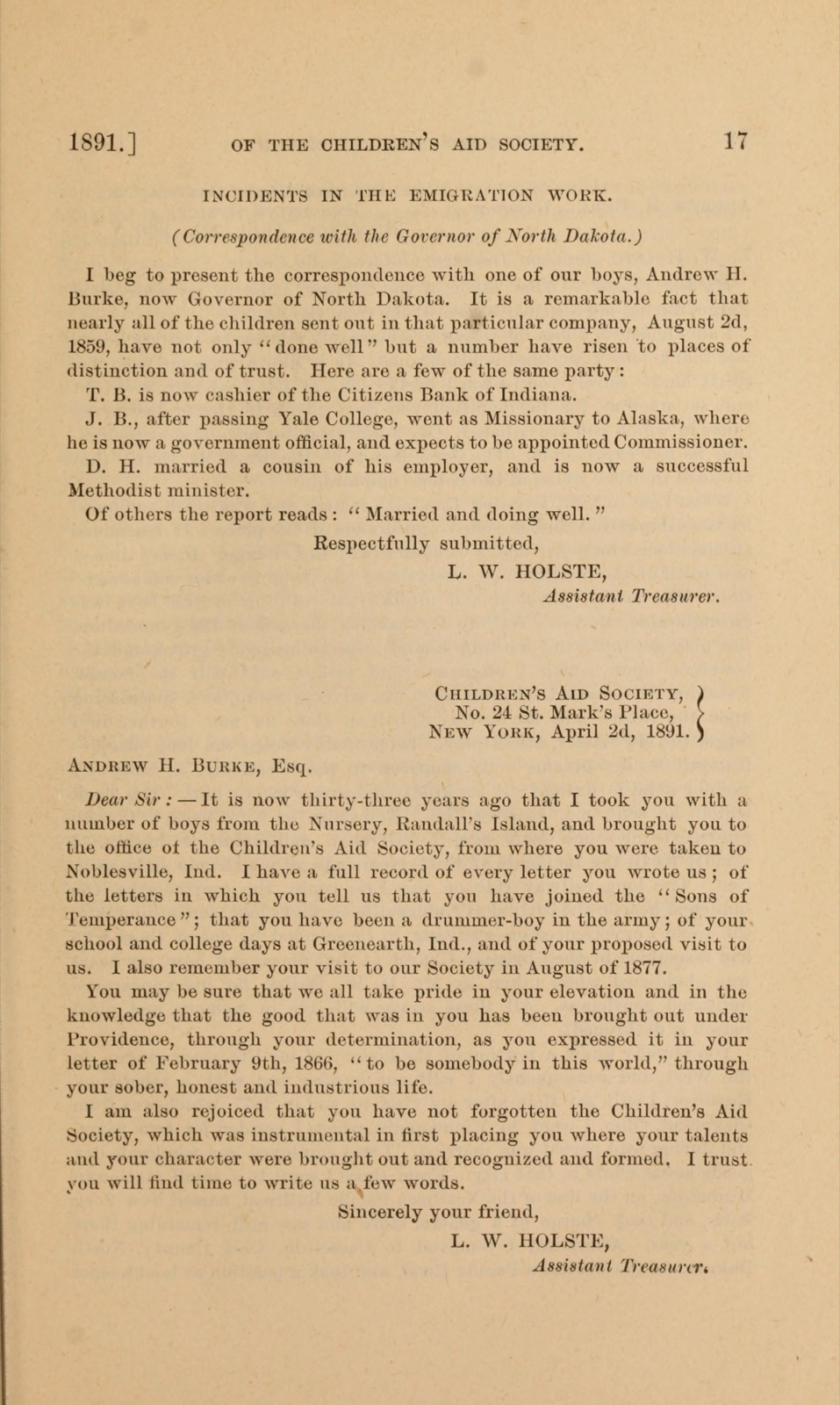
The Boy Chosen in the Christian Church
In 1891 a charity printed two letters in its annual report: one to a governor, one from him. Together they read like a case file of an orphan train rider.
 1840s to 1850s · Butler County, Ohio
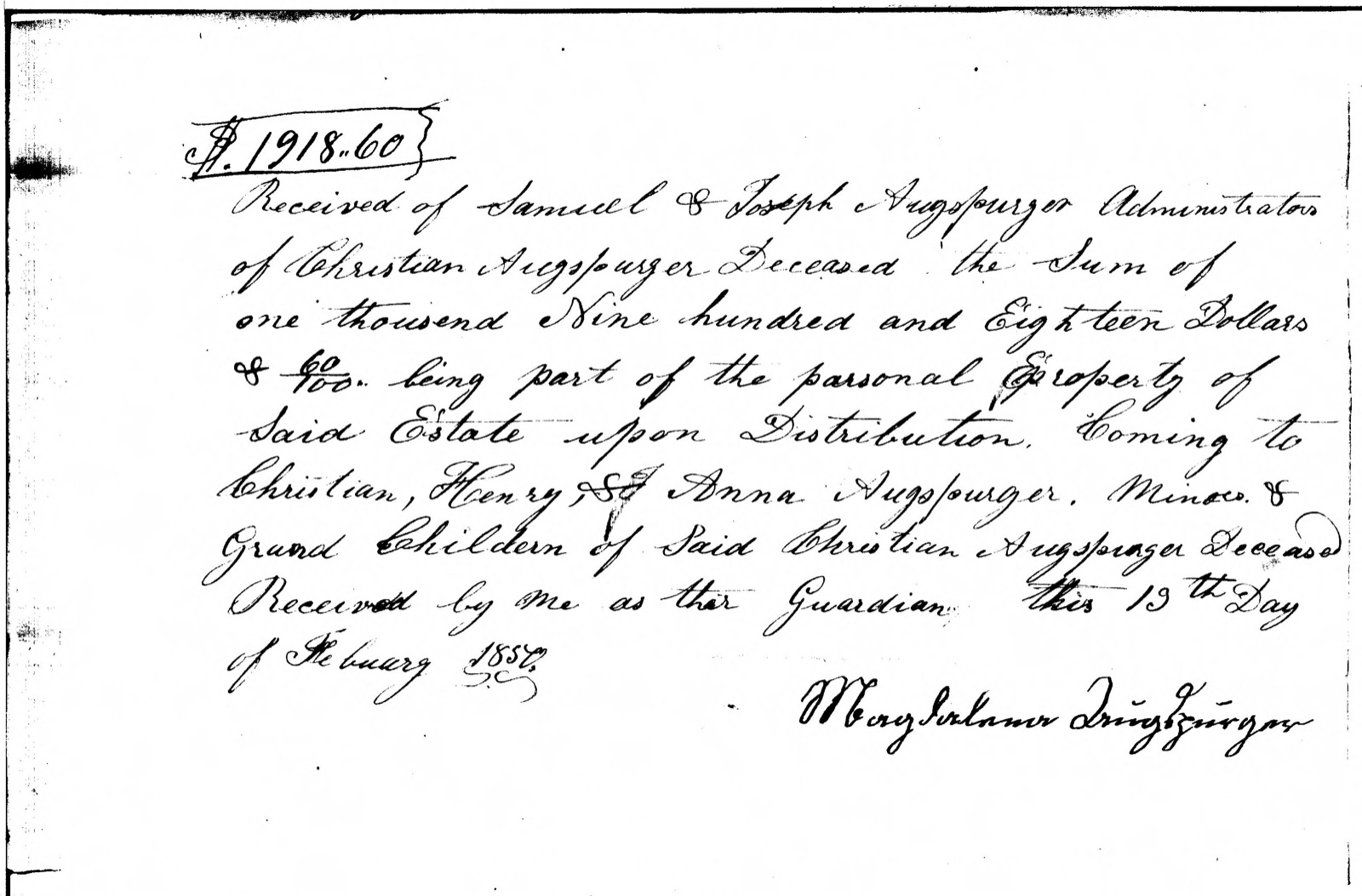
The Grandchildren's Share
An Ohio farmer's estate papers from 1848 to 1852 hide a small family story: three grandchildren, a guardian, and six receipts that add up.
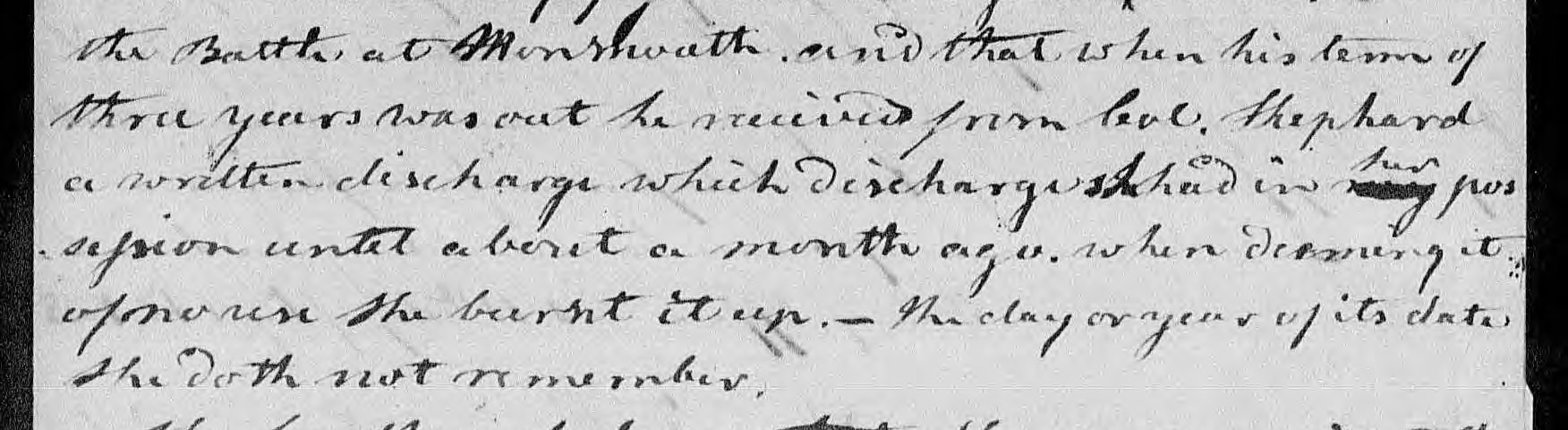 1770s to 1830s · Massachusetts
The Widow Who Burned the Discharge
In 1838 a Massachusetts widow told a judge she had burned her husband's Revolutionary War discharge a month earlier. Here is how she proved his service anyway.
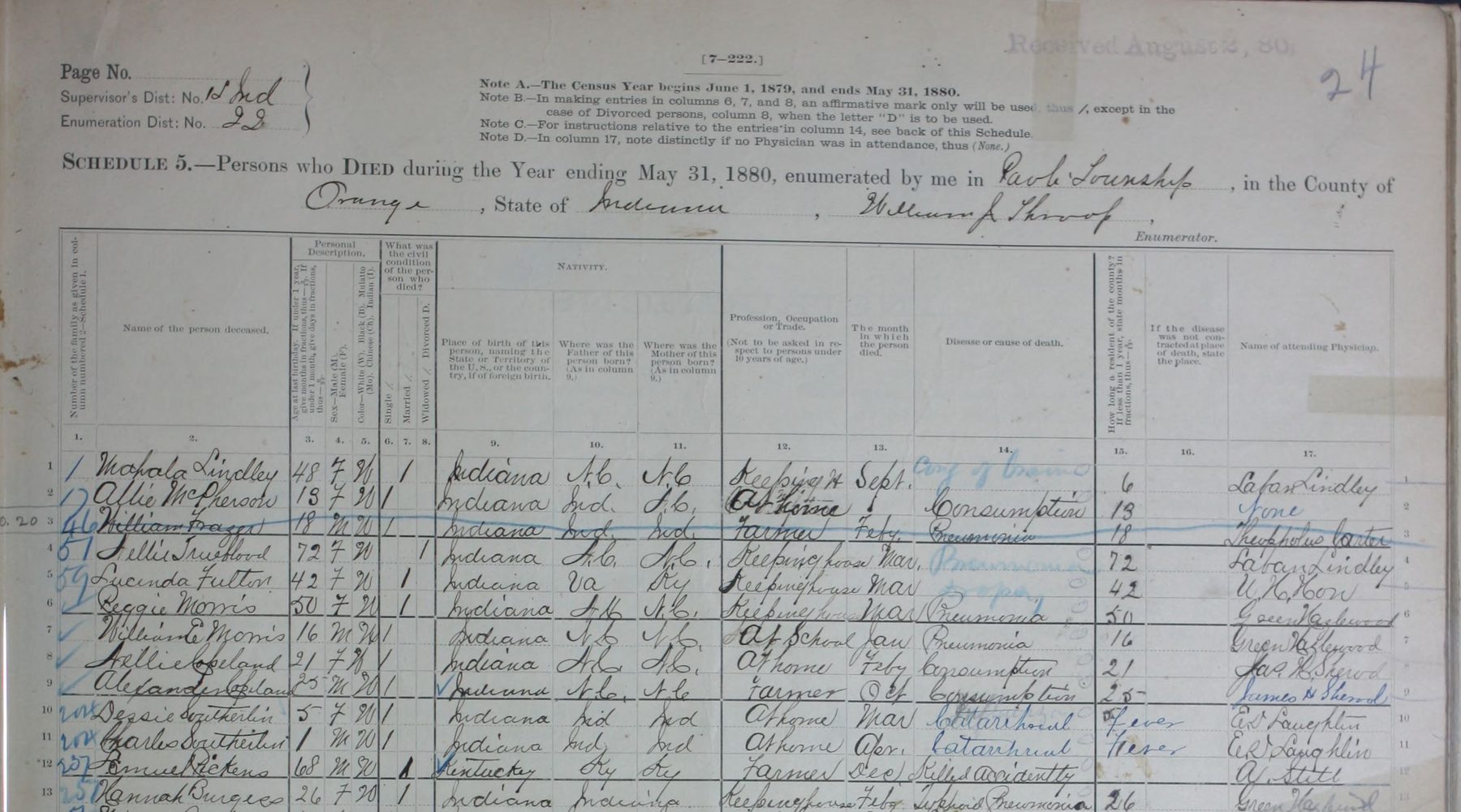 1870s · Indiana
The Two Decembers of Lemuel Pickens
An Indiana farmer's line on the 1880 mortality schedule, the family he left behind, and a county history that seems to put his death a year too late.
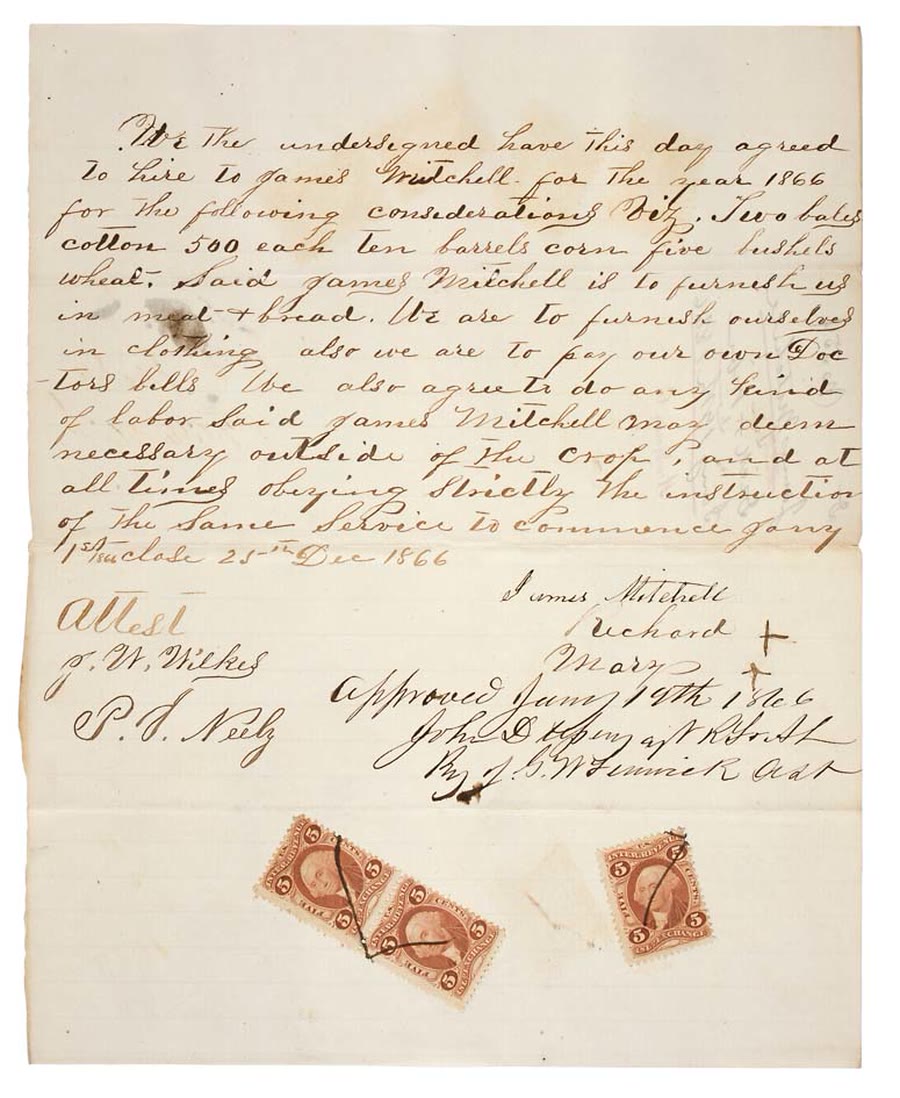 1860s · Tennessee
Paid in Cotton, Corn and Wheat
A one-page Freedmen's Bureau labor contract from Tennessee, 1866: no dollars, two crosses, three stamps, and a docket that dropped a woman's name.
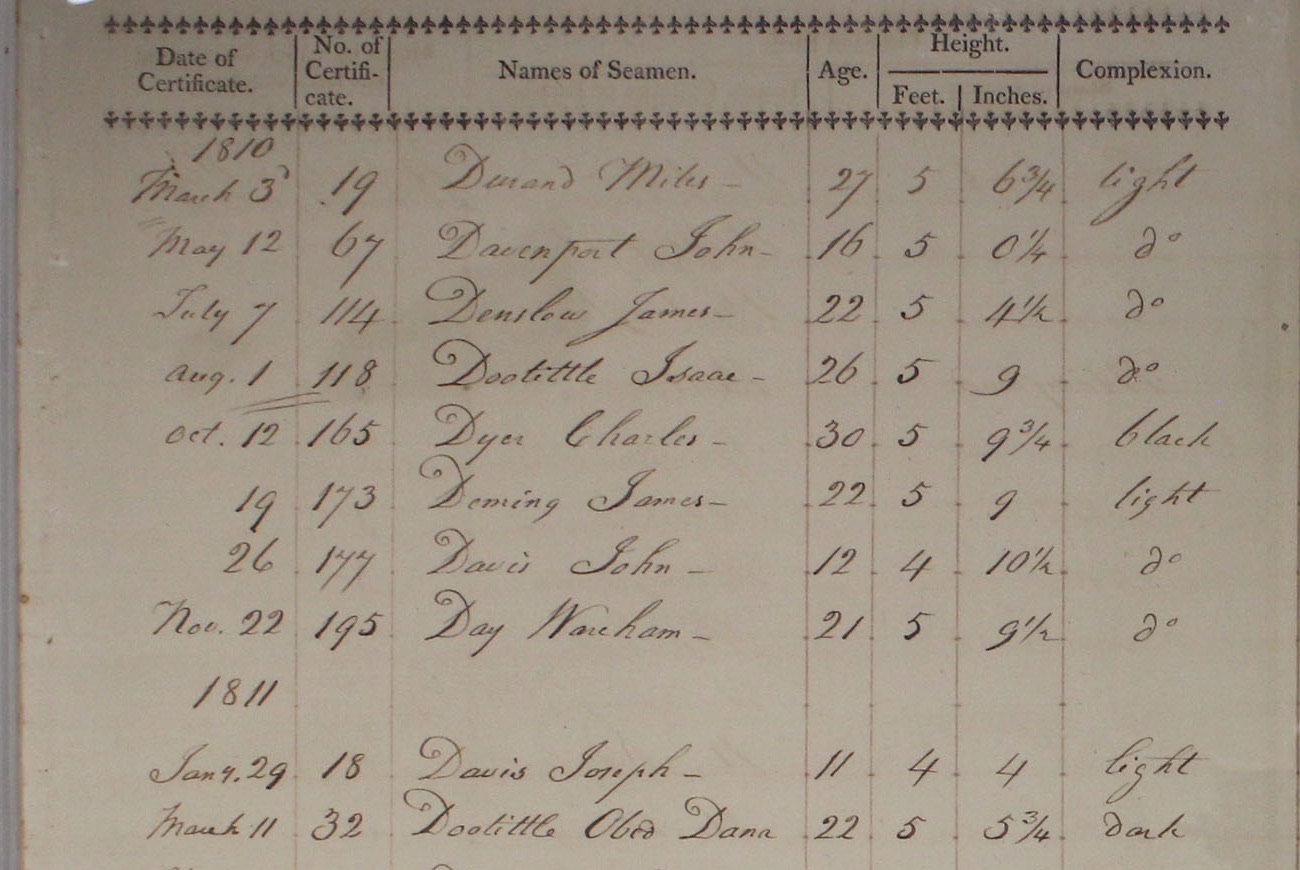 1810s · New Haven, Connecticut
Taller and Lighter at Twenty-Nine
A sailor named Obed Dana Doolittle seems to appear twice in a New Haven customs ledger, seven years apart, and the two descriptions do not agree.
 1880s to 1920s · New York and Texas
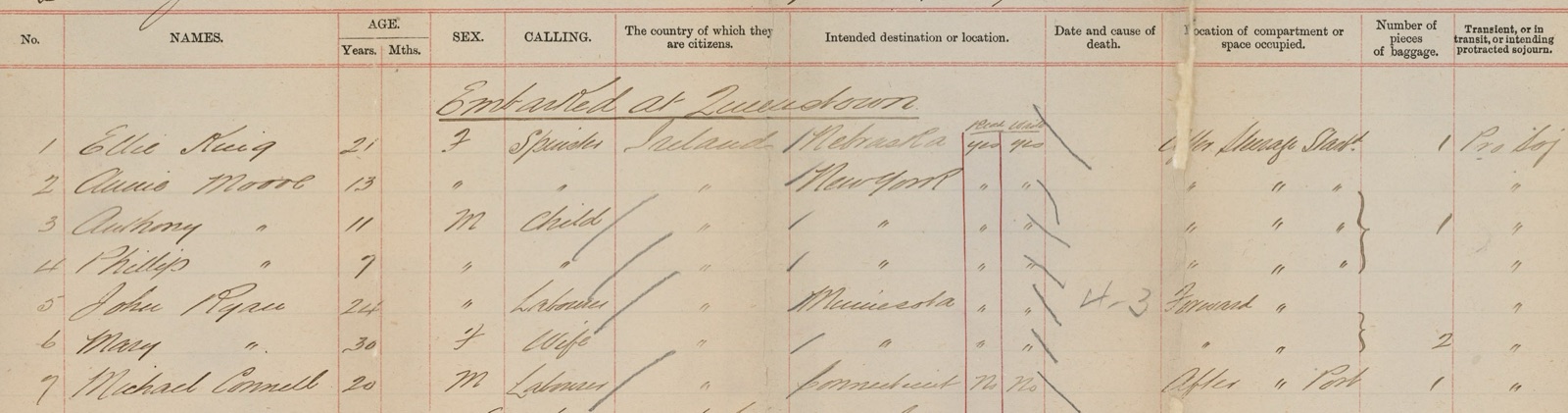
Two Annie Moores
For years the first immigrant through Ellis Island was given another woman's life. A single census column kept saying so.
 1830s to 1880s · Indiana
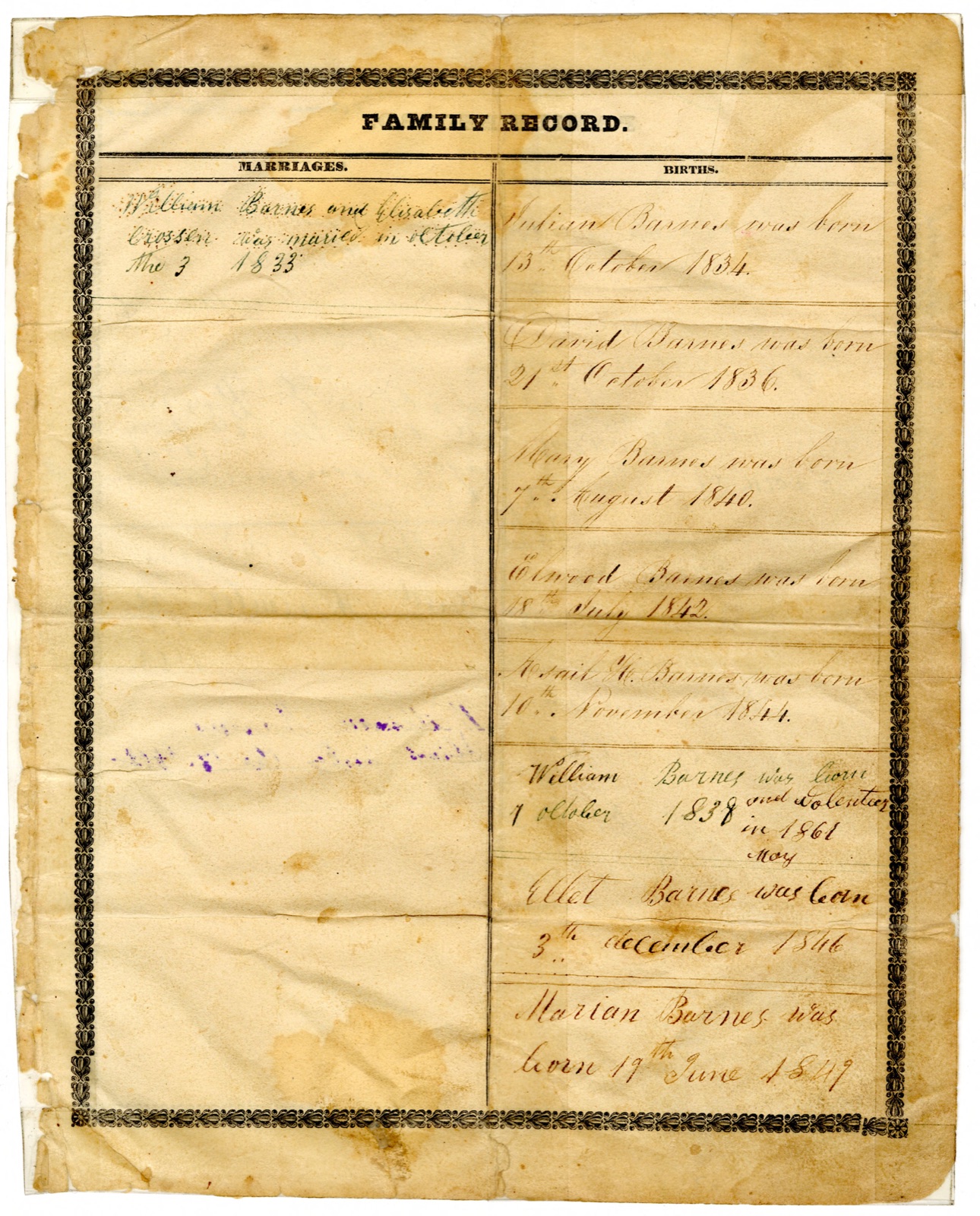
Fourteen Births and Two Williams
Two stained pages from an Indiana family Bible hold a wedding, fourteen children, three children's deaths, a volunteer of 1861, and a puzzle about which William died.
 1810s · Johnston County, North Carolina
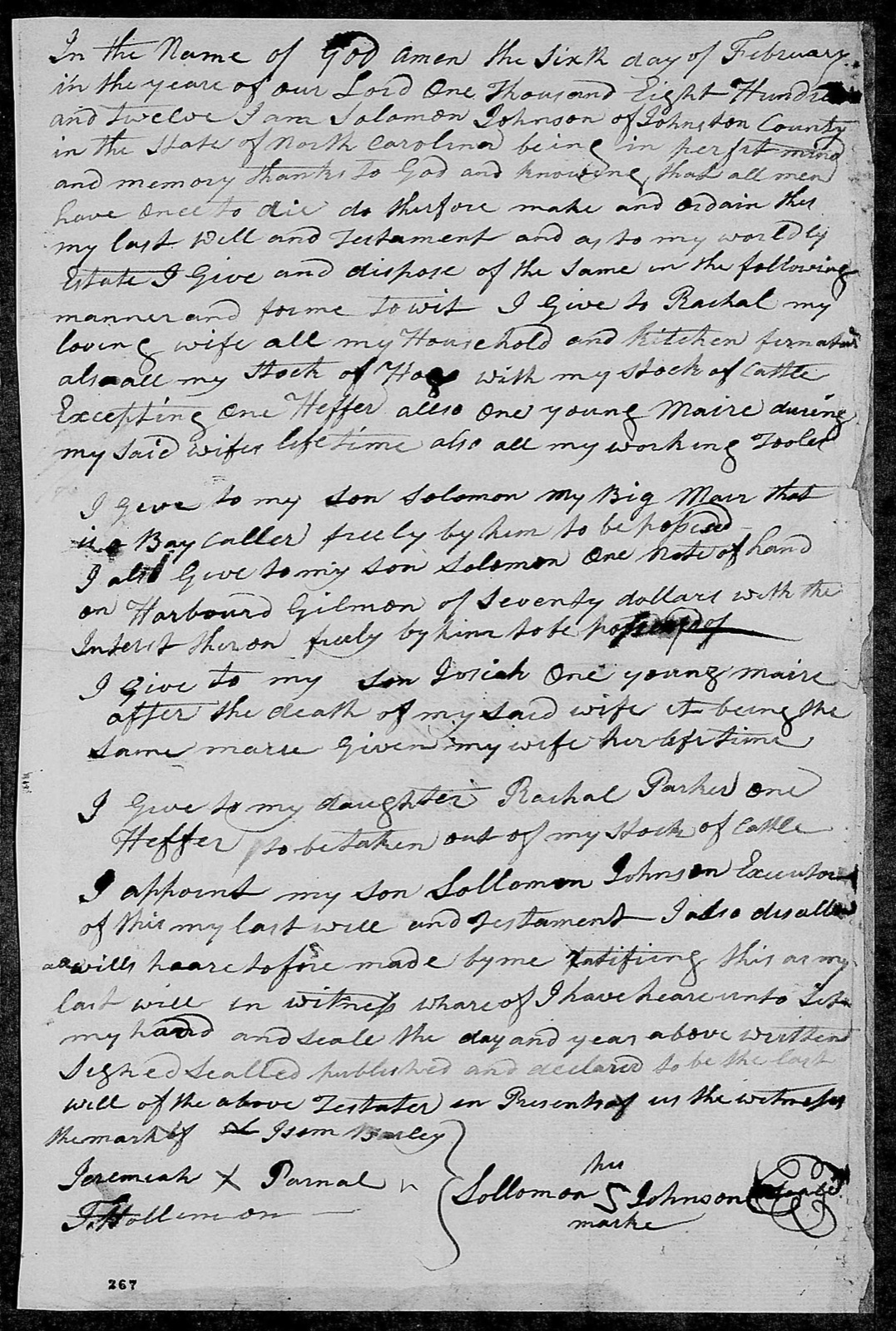
Solomon Johnson's Mark
A man who could not sign his name left one page in 1812, and it names his wife, three children, his livestock, and a man who owed him seventy dollars.
 1810s to 1860s · Harrison County, Kentucky
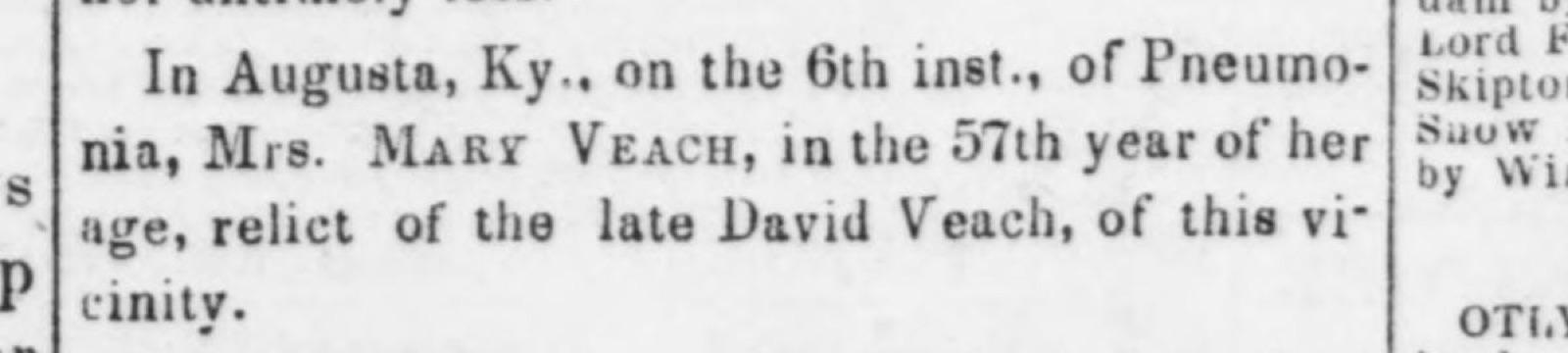
The Land Warrant That Never Came
Four lines in a small-town paper named a widow, her late husband and her hometown. A lost piece of government mail named her son.
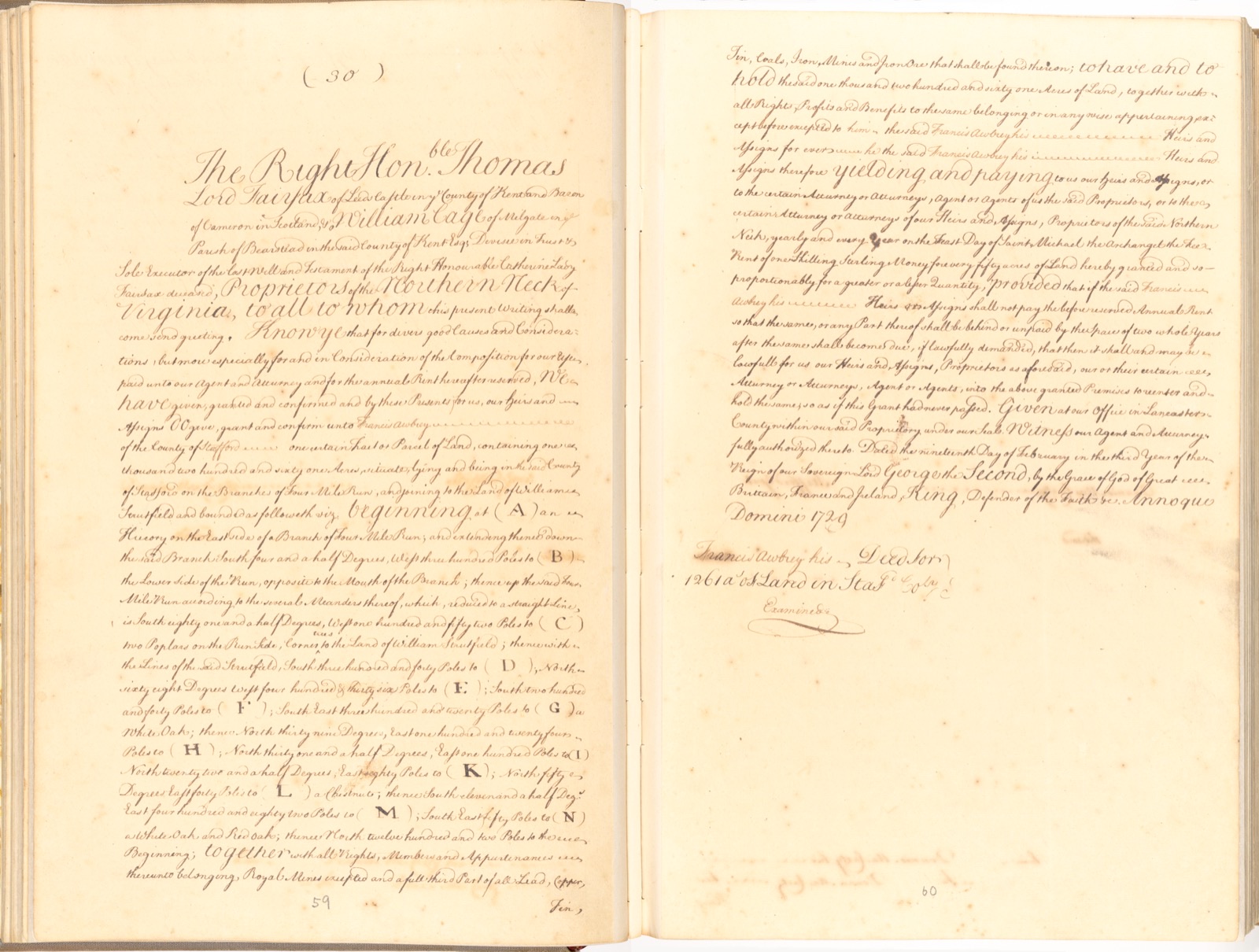 1729 to 1767 · Stafford (later Prince William and Fairfax) County, Virginia
The Hickory on Four Mile Run
A 1730 Virginia land grant names a tree, a neighbor and a rent day, and each one leads to the next record.
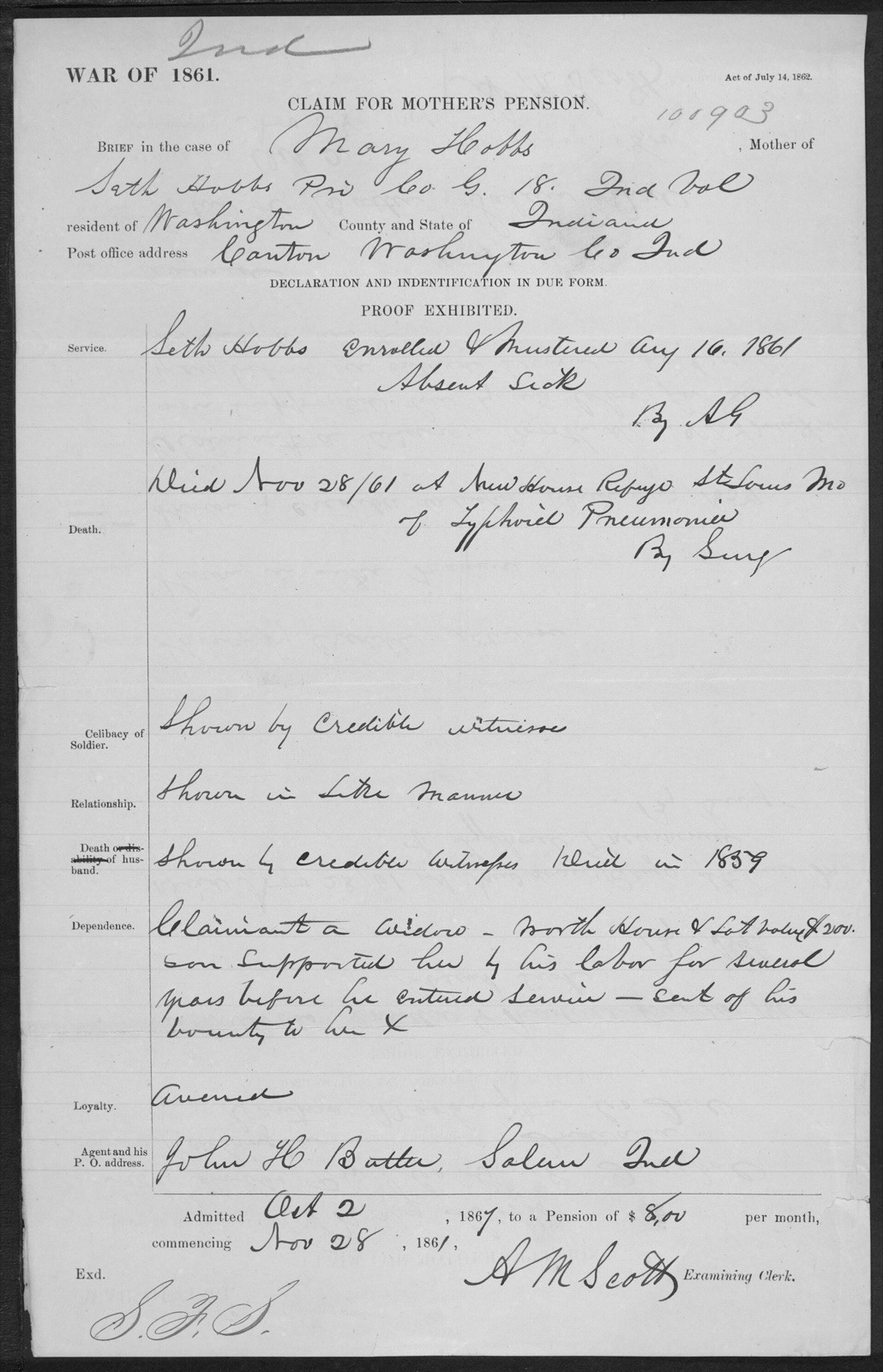 1860s · Indiana
The Son Who Paid for the Flour
A Civil War mother's pension file from Indiana, and how four years of paperwork proved who kept the household fed.