 Daily Ancestor
The 1910 U.S. Census
The 1910 census, dated April 15, 1910, asks if each man survived service in the Union or Confederate Army or Navy and records years of the present marriage.
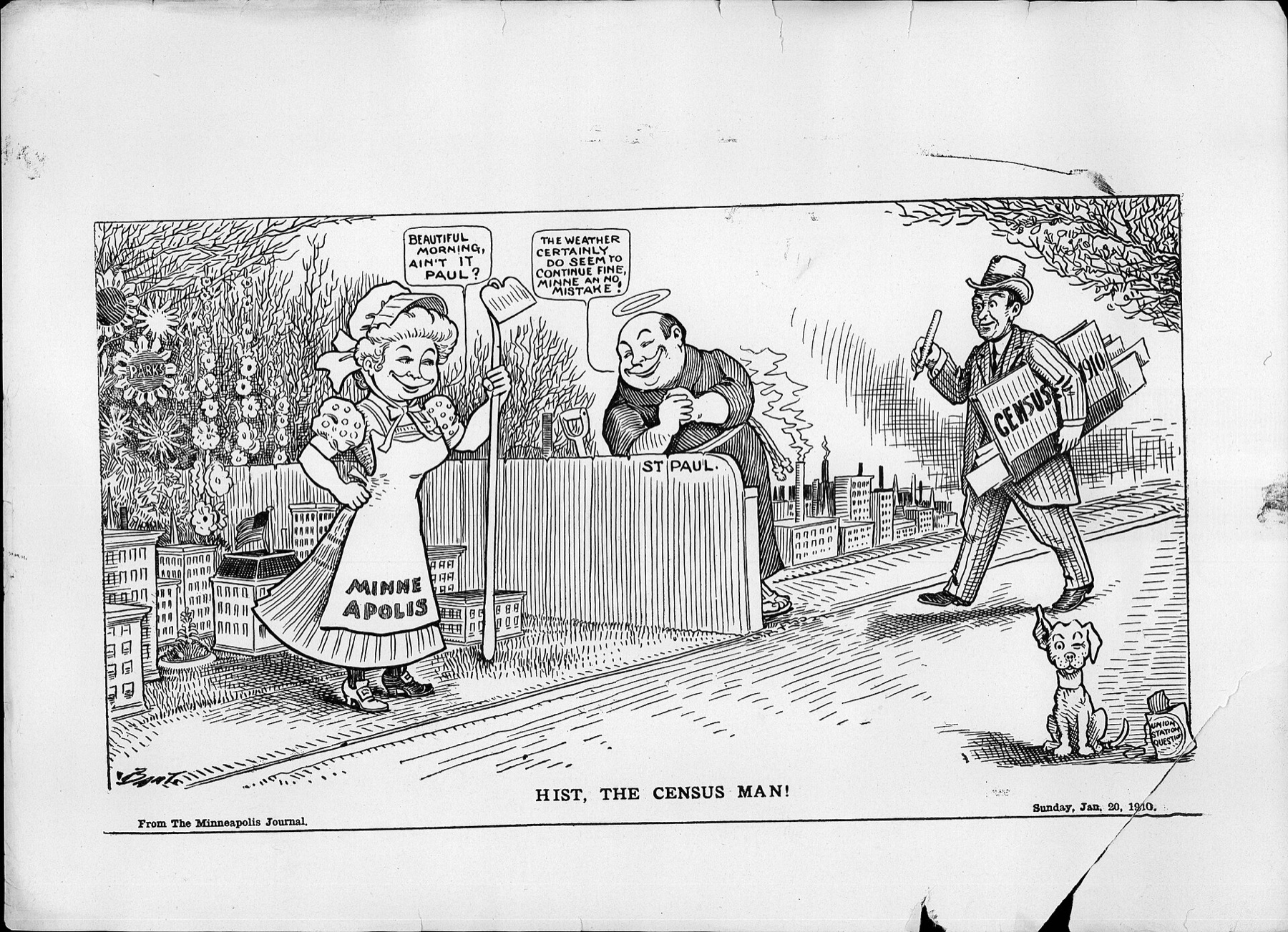
The thirteenth census moved census day to April 15, 1910, because many people were away from home in June. Enumerators had two weeks in cities of 5,000 or more and 30 days elsewhere.
Every answer refers to April 15. A person whose birthday fell after April 15 but before the enumerator came should still show the younger age.
The questions, column by column
| Name and relationship to the head of the family | As in 1900. |
|---|---|
| Sex, color or race, age | Children under 2 in years and twelfths, as 1 3/12. |
| Marital status | M1 means first marriage, M2 married more than once. |
| Number of years of present marriage | Counts only the current marriage. |
| Number of children born, and number now living | Includes a woman's children by any earlier husband, but not her husband's children by a former wife. |
| Place of birth and mother tongue of the person, father, and mother | Mother tongue was added after the forms were printed, so it is written in the birthplace columns. |
| Year of immigration, naturalized or alien, speaks English | Same codes as 1900: Al, Pa, Na. |
| Occupation, industry, employer or employee, out of work on April 15, weeks out of work in 1909 | Industry tells you where a person worked, not just the job. |
| Can read, can write, attended school since September 1, 1909 | Marks of Yes or No. |
| Home owned or rented, free or mortgaged, farm or house | Leads to deeds and mortgages. |
| Survivor of the Union or Confederate Army or Navy | UA, UN, CA, or CN. Asked of men over 50 born in the U.S. and foreign-born men who arrived before 1865. |
| Blind; deaf and dumb | Recorded in the wording of the time. |
New this census
- A Civil War survivor column with codes UA, UN, CA, and CN. 1890 asked a similar question, but nearly all 1890 population pages were lost.
- M1 and M2 marriage codes.
- Mother tongue and industry.
Watch out for
- Numbers like 2-1-0-0 written over the veteran and disability columns are tabulation codes added in Washington, not answers.
- The veteran answer leads to service and pension records for either side.
Other schedules
- A special Indian schedule was used for Indians on reservations or in tribal relations and in some counties with many Indians.
Where to see it
- Microfilm T624, free in the National Archives Catalog. FamilySearch (free with an account) and Ancestry (free on computers at National Archives facilities) both index it and show the images.