 Daily Ancestor
Most of the clerks, ministers and teachers who wrote your ancestors' records between about 1850 and 1900 learned Spencerian script, the American school hand taught from Platt Rogers Spencer's copybooks. It grew out of the older English round hand, often called copperplate, that you see in documents from around 1800. Both lean to the right, both use shaded downstrokes and thin upstrokes, and both love big oval loops on the capitals.
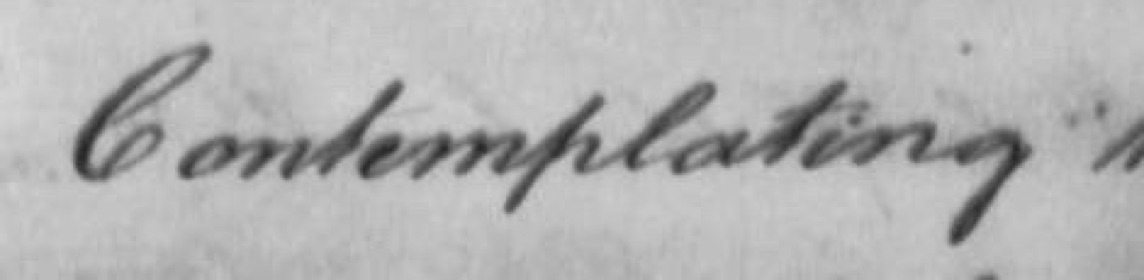
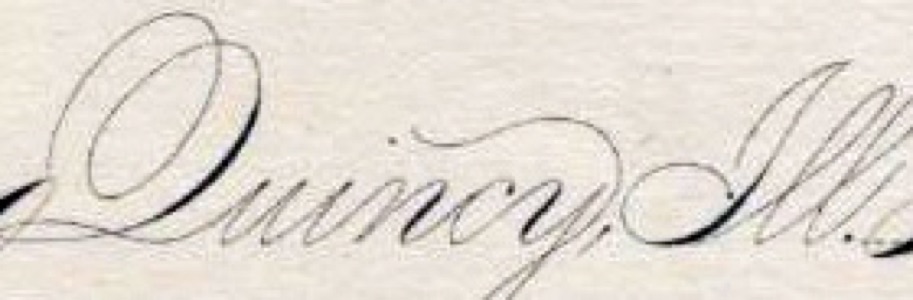
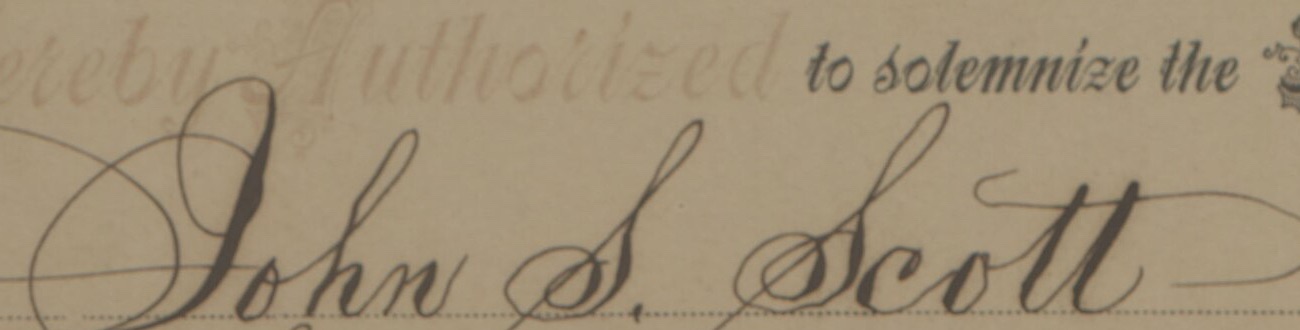
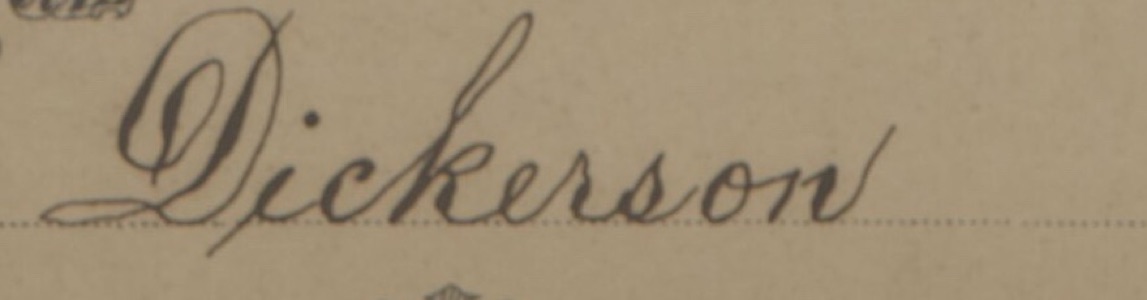
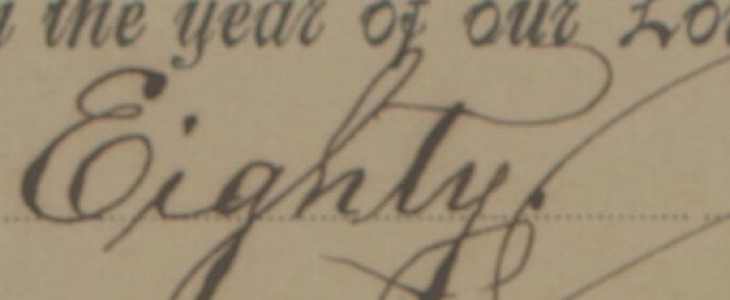
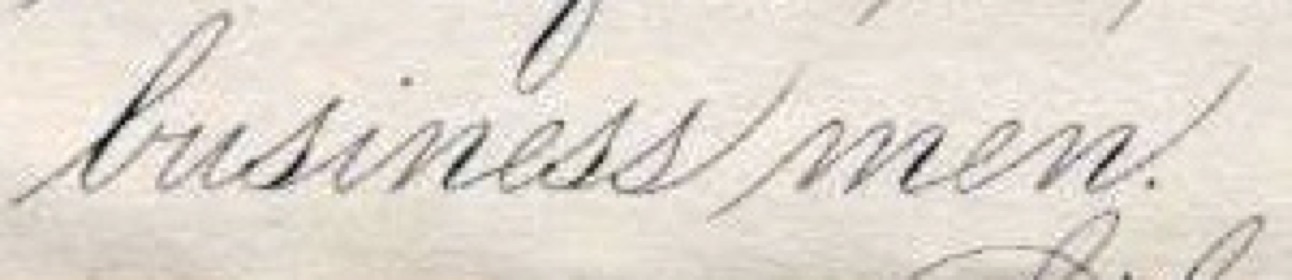
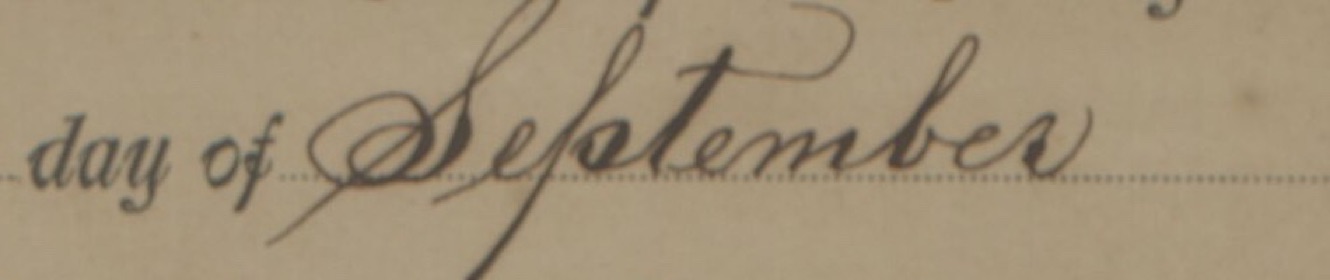
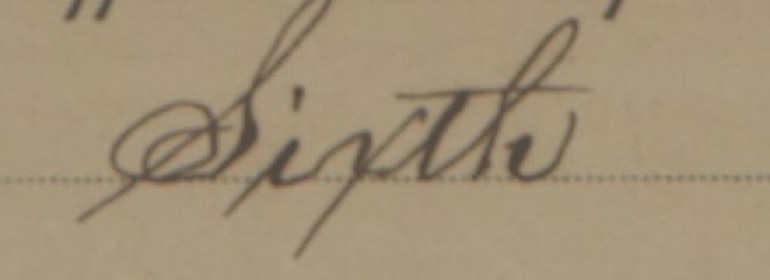
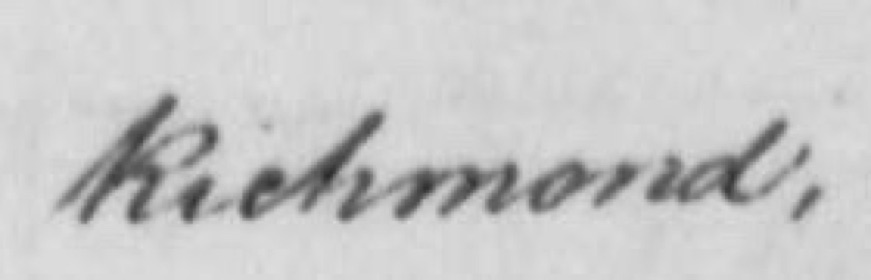
The lowercase letters are usually easy. The trouble is in the capitals, which were built from the same few ovals and loops, so several of them look alike. In this lesson you will see real capitals from a will of 1803, a marriage license of 1880 and a business letter of 1884, and learn the small details that tell them apart.