All lessons
Handwriting · 1720‑1850

The double s: ss written as ſs or a ß-like shape

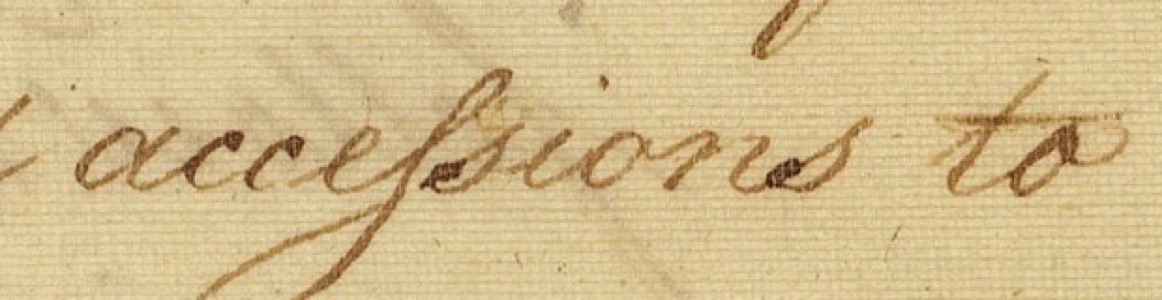
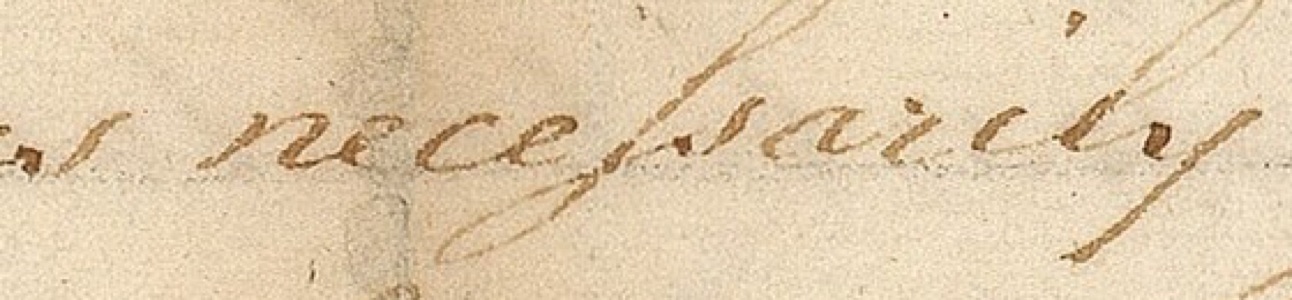
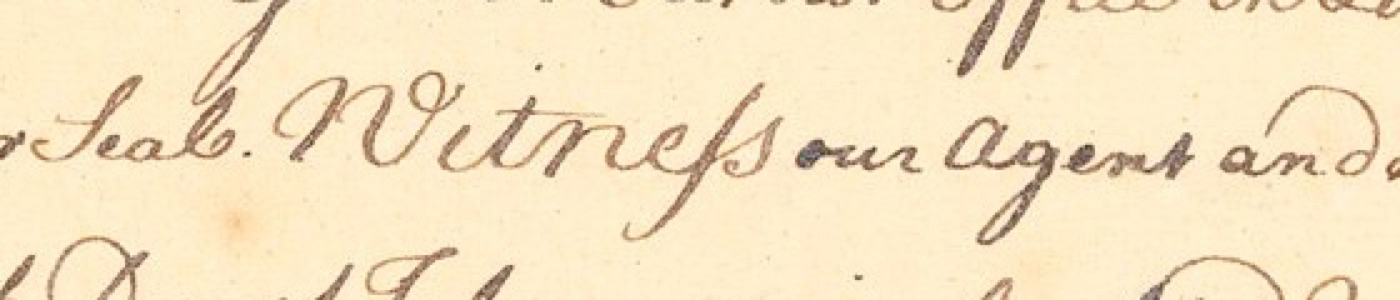
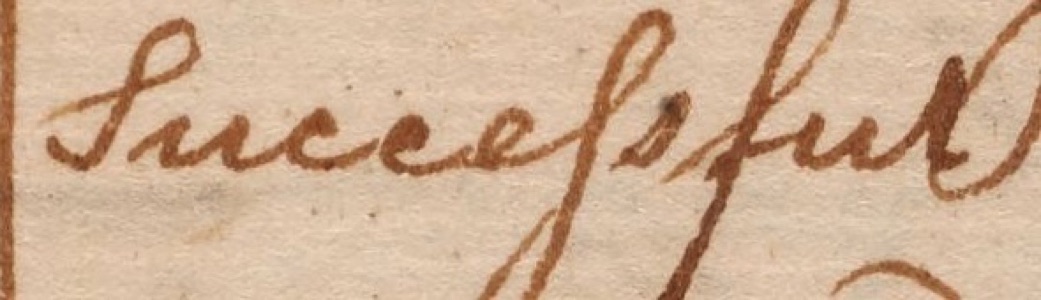
When a word had two s's together, writers usually made the first one long and the second one round: ſs. Written fast, the two letters run together into a single shape that looks like "fs", like the German ß, or like a p with a tail. You will meet it in everyday words such as witness, Congress, possessed and necessary, and in names like Massachusetts and Bliss.

This habit lasted longer than the single long s. Many clerks still wrote "ſs" in the 1830s and 1840s, long after they had stopped using ſ anywhere else. Whenever you see "fs" or "ß" in the middle or at the end of an English word, read it as ss.
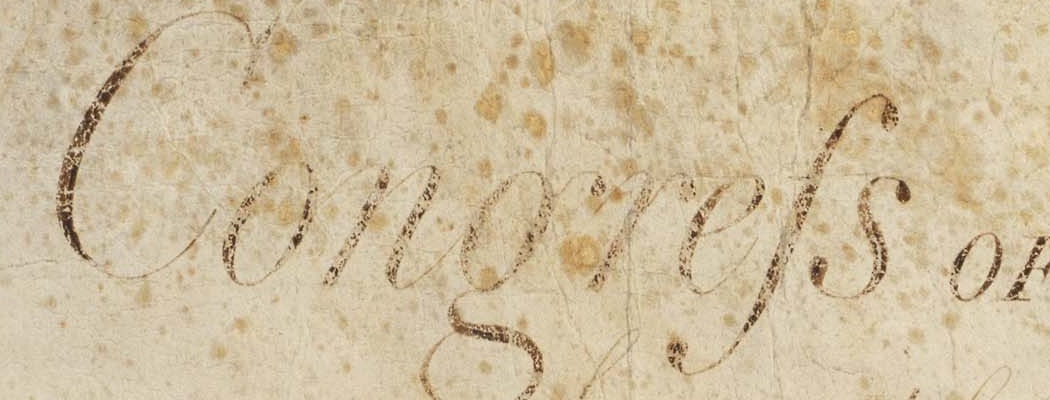

Letter by letter

Large ornamental handwritten word Congress with a long s followed by a round s
ſs in large lettering The title of the Bill of Rights: "Congreſs". The first s is the tall long s that drops below the line; the second is a small round s. Together they read ss.1st United States Congress; National Archives and Records Administration, Public domain
Handwritten words congress assembled, each with a long s plus round s
ſs at the end and in the middle "congreſs aſsembled": the same pair at the end of "congress" and in the middle of "assembled". In both, the long s comes first.U.S. Senate; National Archives and Records Administration, Public domain
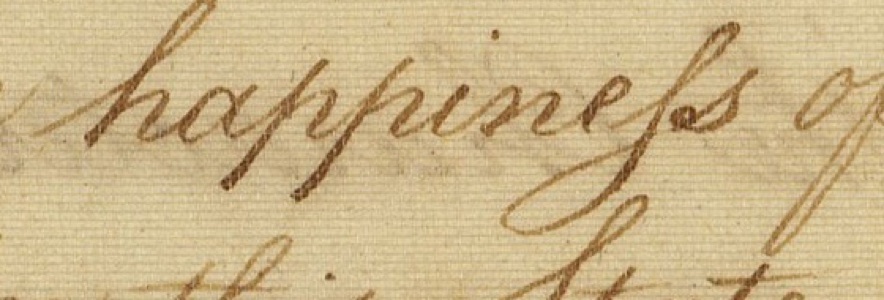
Handwritten word happiness ending in a long s and round s
ſs at the end of a word "happineſs": the double s at the end of the word looks like "fs". Clerks wrote the same ending in every -ness word: witness, business, kindness.Pennsylvania Society for Promoting the Abolition of Slavery; U.S. Senate records, National Archives and Records Administration, Public domain
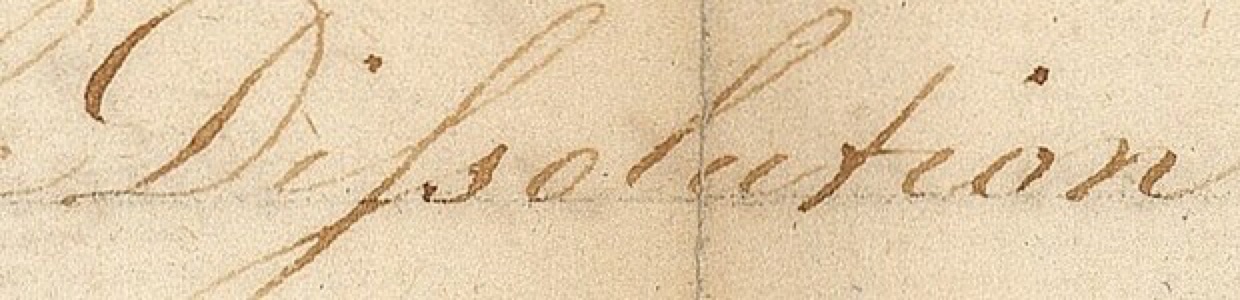
Handwritten word Dissolution in a petition of 1790
ſs after a capital "Diſsolution": the long s swings far below the line before the small round s. Read it "Dissolution".Mary Katherine Goddard; U.S. Senate records, National Archives and Records Administration, Public domain
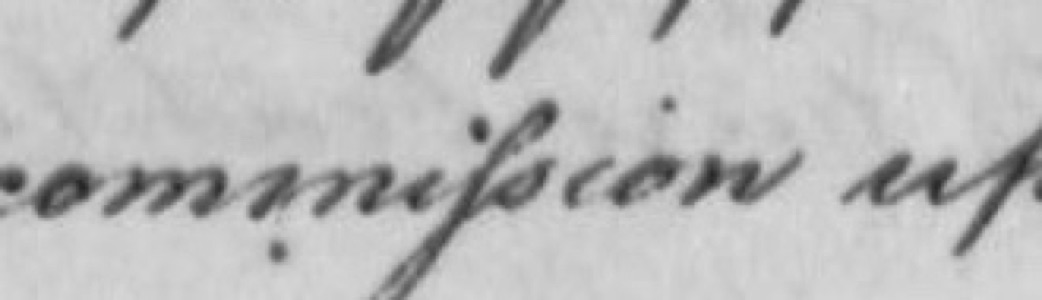
Handwritten word commission with the double s written as one joined shape
ſs joined in one stroke "commiſsion": here the long s and round s are joined so tightly they look like one letter. This is the shape that resembles the German ß.George Wythe; Library of Virginia, Public domain
Handwritten words will in witness whar from a will, witness ending with a long s and round s
ſs in a rough country hand "in witneſs whar[eof]" from a will. A plainer writer, the same habit: the double s at the end of "witness" looks like "fs" with a loop.Solomon Johnson; State Archives of North Carolina, Public domain
Handwritten words of ye Massachusetts Bay with a double s and a long s
ſs and ſ in one word "of ye Maſsuchaſetts Bay": the writer spelled Massachusetts his own way, but you can see both forms: ſs after "Ma" and a single ſ later in the word.Stephen Noble of Westfield; Boston Public Library, Public domain

Now you read it

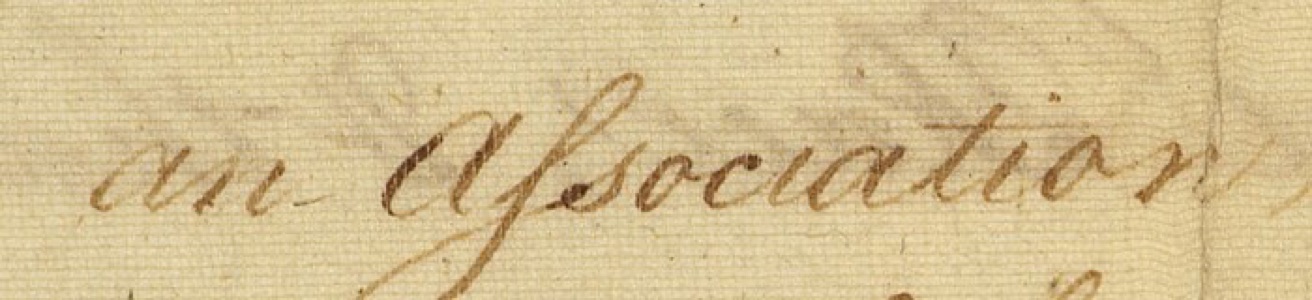
Handwritten words an Association
What word follows "an"?
Tips
  • Read "fs", "ß" or a p-like loop between vowels as ss.
  • The long s comes first, the round s second: ſs, never sſ.
  • Watch words ending in ss: witness, business, Bliss, Ross.
  • Names with ss suffer most in indexes: try Mafsey or Maſsey for Massey, Hufsey for Hussey, Rofs for Ross.
  • The double-s shape lasted into the 1840s, so do not use it alone to date a document before 1800.
Next lesson