All lessons
Handwriting · 1690‑1820

Thorn: why ye means "the"

Old English had a letter called thorn (þ) for the sound "th". Over time scribes made it look more and more like a y. By the 1600s and 1700s writers used it mainly in short abbreviations: ye for "the", yt for "that", ym for "them", ys for "this". The small letter is written above the y, so on a gravestone you see a y with a tiny e on top.

It was always pronounced "th". "Ye body of" is read "the body of", and "ye 26" in a date means "the 26th". It has nothing to do with "ye" meaning "you". You will meet it on colonial gravestones, in wills and deeds, and in accounts and letters up to about 1800.
Letter by letter

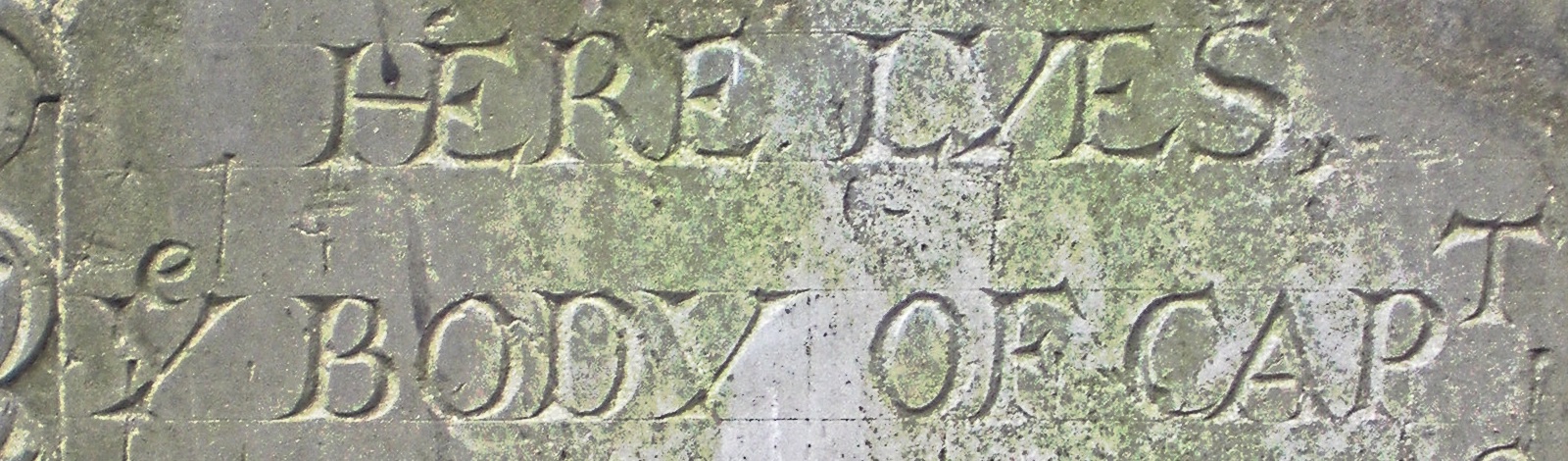
Carved gravestone lettering HERE LYES ye BODY OF CAPT with a small e above the Y
ye on a gravestone "HERE LYES ye BODY OF CAPt": the y with a small e above it is "the". Notice the stone also raises the t of "Capt", the same superscript habit.Cbaile19 (photo), CC0
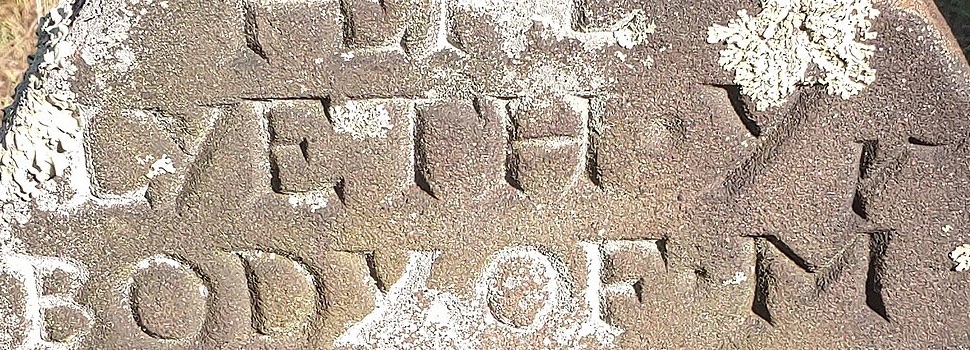
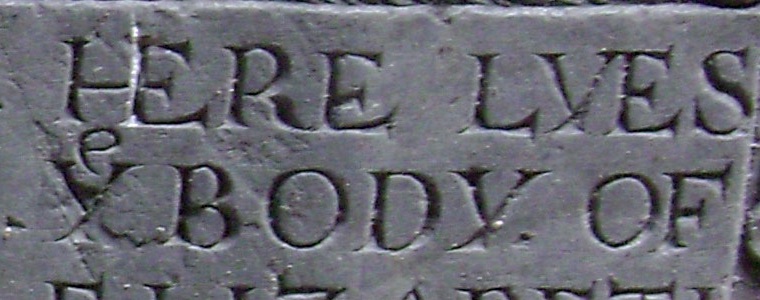
Carved gravestone lettering HERE LYES ye BODY OF, small e above the Y
ye at the start of a line "HERE LYES ye BODY OF": the e is cut small above the left arm of the Y. Read "Here lies the body of".Seanpaune (photo), CC BY-SA 3.0
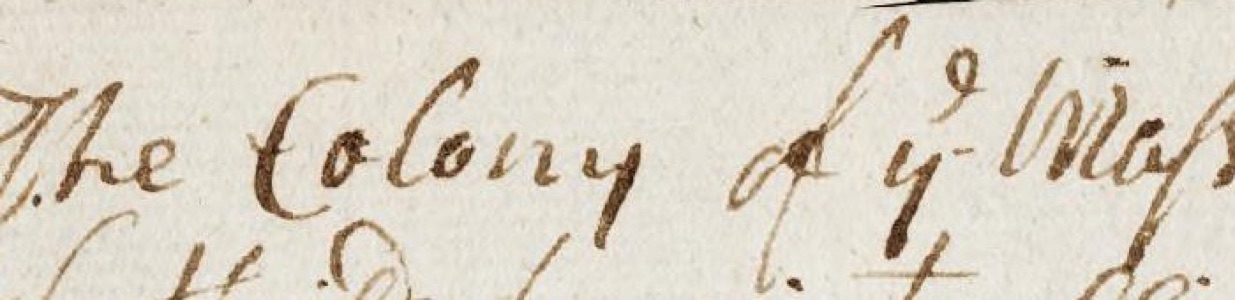
Handwritten words The Colony of ye Mass with a small e above the y
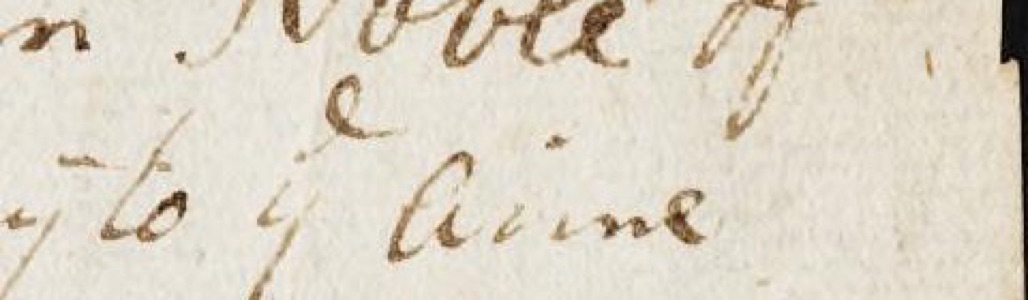
ye in handwriting "The Colony of ye Maſs[achusetts]": in handwriting the y often has a long tail and the e floats above it like a little loop. Read "The Colony of the Massachusetts [Bay]".Stephen Noble of Westfield; Boston Public Library, Public domain
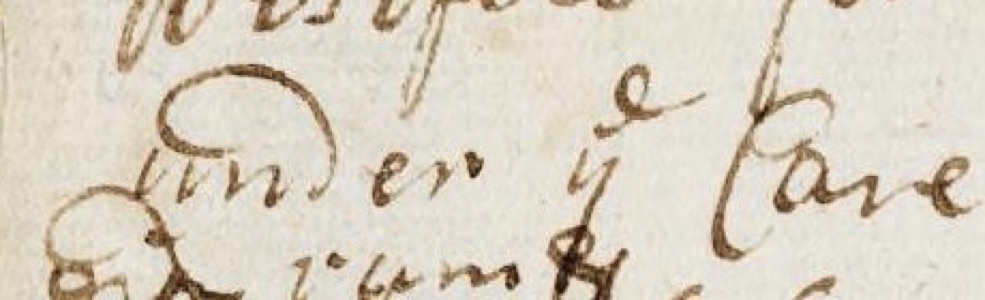
Handwritten words under ye Care with a small e above the y
ye in the middle of a sentence "under ye Care": the same small e over a y, inside a sentence. Read "under the care".Stephen Noble of Westfield; Boston Public Library, Public domain

Now you read it

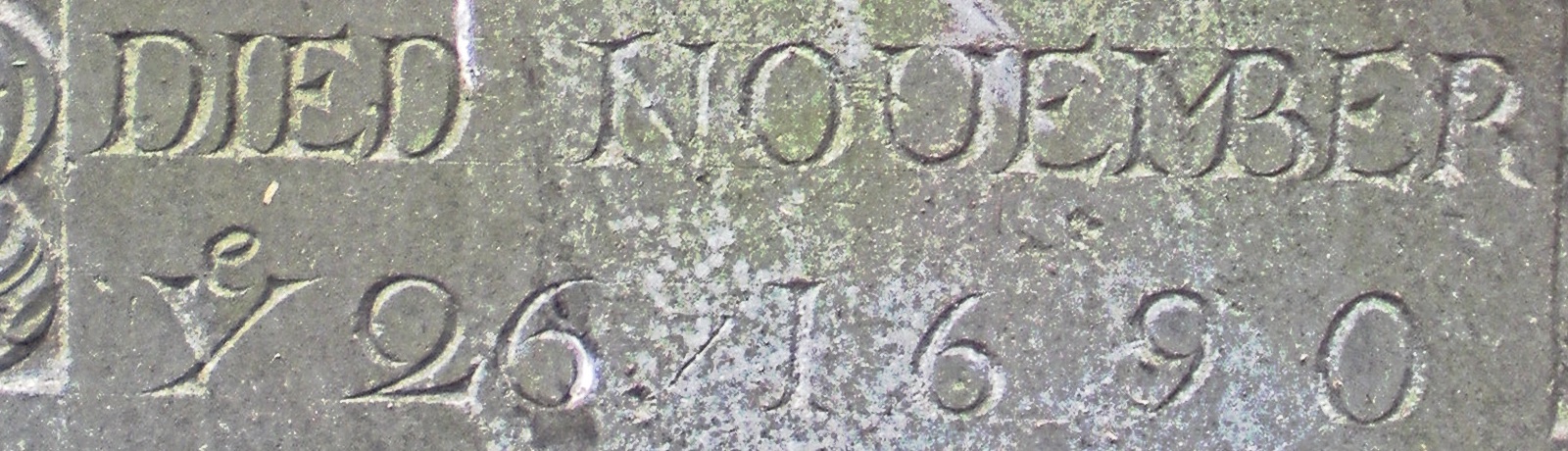
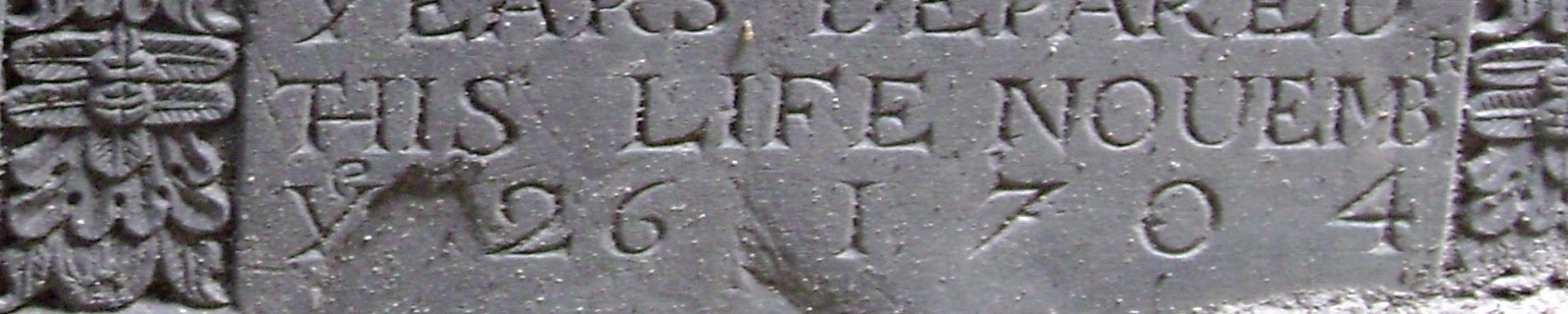
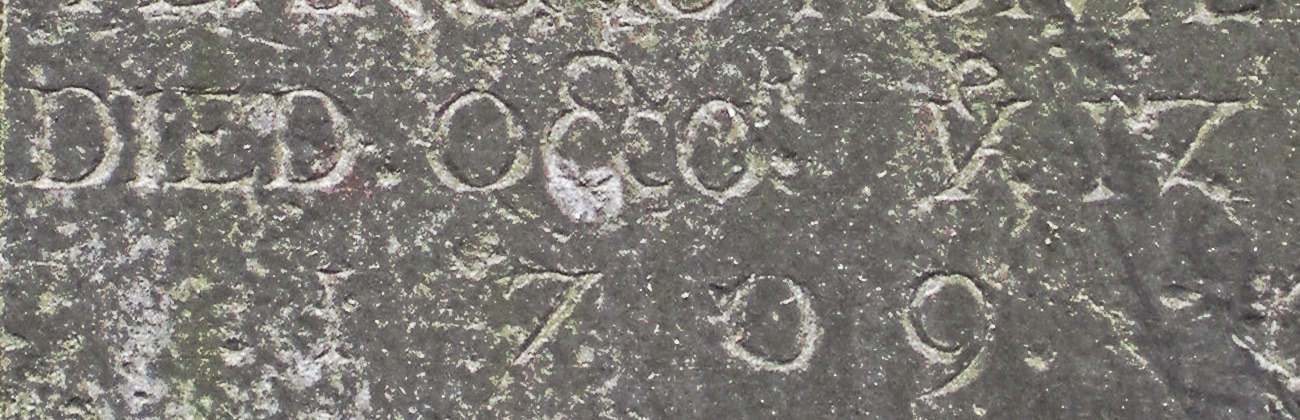
Carved DIED NOUEMBER ye 26 1690
What does "ye 26" mean on this stone?
Tips
  • Always read ye as "the" and say it "thee" or "thuh", never "yee".
  • yt is "that", ym is "them", ys is "this", yn is "then". The small letter above the y tells you which word it is.
  • On worn stones the tiny e is often gone. A lone Y before BODY or before a day number is still "the".
  • Transcribe it as written (ye) and add [the] if you need to; do not change the record.
Next lesson